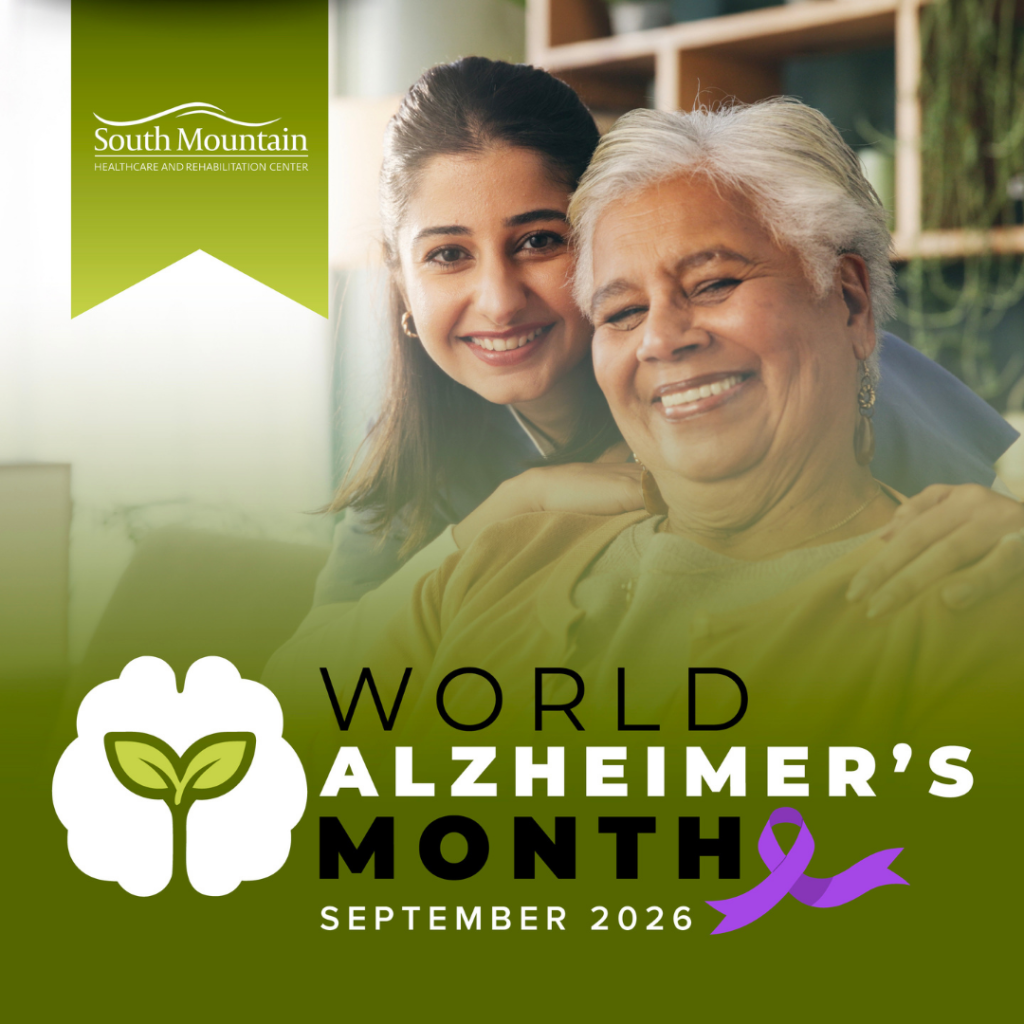
World Alzheimer’s Month: Raising Awareness and Building Understanding
September is World Alzheimer’s Month, a time dedicated to raising awareness about Alzheimer’s disease and other forms of dementia. It is an opportunity to learn more about memory-related conditions, challenge misconceptions, and encourage communities to support individuals and families affected by dementia.
Understanding Alzheimer’s Disease
Alzheimer’s disease is a progressive brain disorder that can affect memory, thinking, communication, and everyday activities. While it is more common among older adults, Alzheimer’s is not a normal part of aging. Early recognition of changes can help individuals and families explore appropriate support and care options.
Some common signs may include:
- Increasing forgetfulness or difficulty recalling recent information
- Trouble completing familiar tasks
- Confusion about time, places, or situations
- Difficulty finding words or following conversations
- Changes in mood, personality, or behavior
Why Awareness Matters
Greater awareness can help reduce the stigma surrounding Alzheimer’s and make it easier for people to seek guidance and support. Education also helps caregivers, healthcare professionals, and communities better understand the experiences of those living with dementia.
Simple actions can make a meaningful difference, such as listening patiently, maintaining familiar routines, encouraging social connection, and creating safe, supportive environments.
Supporting Individuals and Families
World Alzheimer’s Month reminds us that care extends beyond the individual diagnosed with Alzheimer’s. Family members and caregivers may also need education, emotional support, and practical resources.
Communities can help by promoting dementia-friendly environments, sharing reliable information, and encouraging conversations about brain health and aging.
Moving Forward Together
This September, let’s use World Alzheimer’s Month as an opportunity to learn, raise awareness, and show compassion. By increasing understanding and supporting caregivers and individuals affected by Alzheimer’s, we can help build communities where everyone feels respected, supported, and valued.