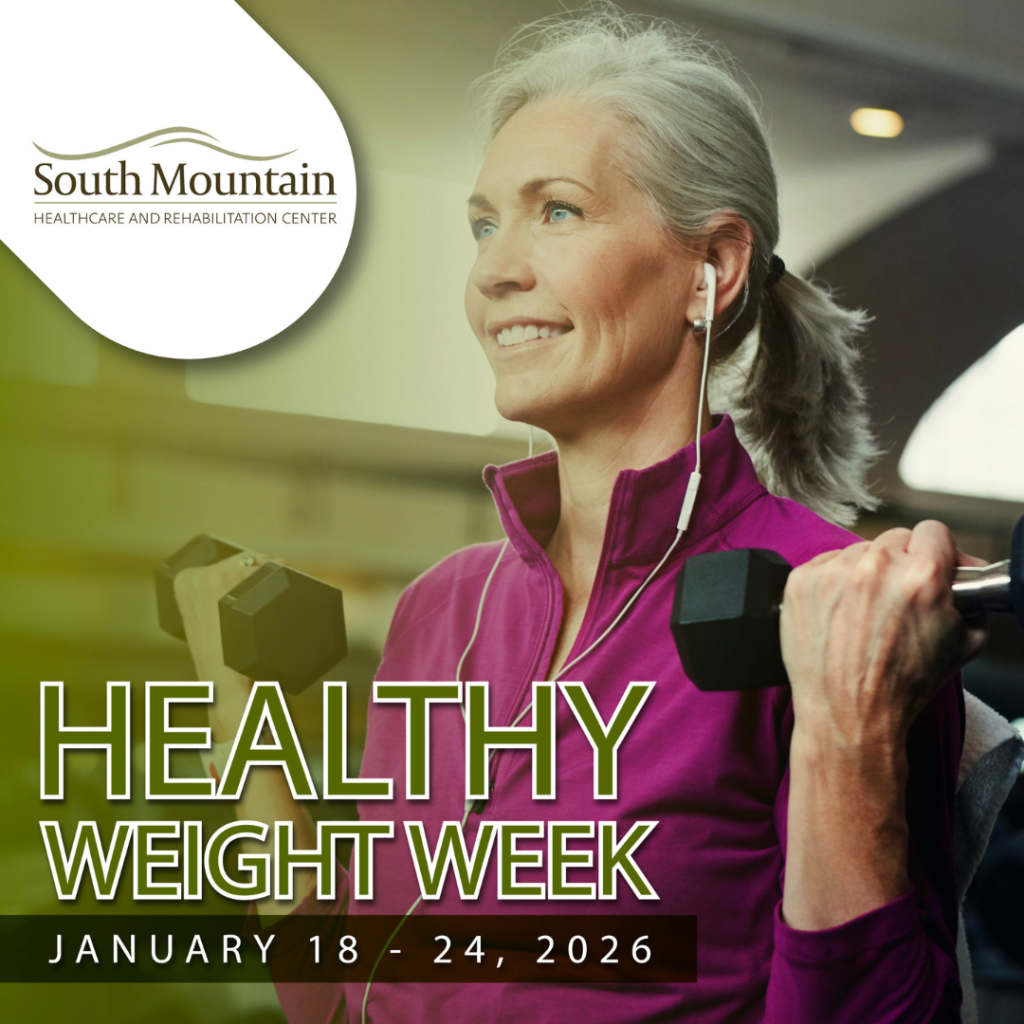
Healthy Weight Week: Focusing on Wellness, Not Numbers
Healthy Weight Week is an annual awareness campaign that encourages people to shift their focus from dieting and scales to overall health and well-being. Rather than promoting quick fixes, this week highlights sustainable habits that support physical, mental, and emotional wellness.
What Does “Healthy Weight” Really Mean?
A healthy weight looks different for everyone. According to the Centers for Disease Control and Prevention (CDC), health is influenced by many factors beyond body weight, including nutrition, physical activity, sleep quality, stress levels, and genetics. Research shows that maintaining healthy habits can significantly reduce the risk of chronic conditions such as heart disease, type 2 diabetes, and high blood pressure, regardless of weight changes.
Building Healthy Habits That Last
Healthy Weight Week emphasizes behaviors that support long-term wellness. Balanced nutrition plays a key role; diets rich in fruits, vegetables, whole grains, lean proteins, and healthy fats provide essential nutrients and energy. Regular physical activity is equally important. The World Health Organization recommends at least 150 minutes of moderate-intensity activity per week for adults to support cardiovascular health and mobility.
Mental Health Matters
Wellness is not only physical. Studies show that stress, sleep deprivation, and negative body image can impact overall health. Healthy Weight Week promotes self-compassion, adequate rest, and positive relationships with food and movement, helping individuals build confidence and resilience.
A Holistic Approach to Health
Healthy Weight Week reminds us that health is about balance, consistency, and care for the whole person. By focusing on healthy choices rather than numbers on a scale, individuals can improve quality of life, boost energy levels, and support long-term well-being for years to come.